AGP Executive Report
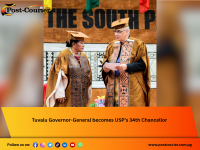
Last update: an hour agoFisheries: Tuvalu’s Fisheries Authority is seeking a giant-clam hatchery specialist to improve operations and develop practical procedures, with about three weeks of work planned in the country. Education: Governor-General Temukisa Auina Penehuro Hauma has become USP’s 34th Chancellor, adding a new milestone to her journey from university graduate to national leader. Climate Resilience: Coastal adaptation work on Funafuti is reshaping the shoreline with dredged sand and protective barriers as Tuvalu confronts rising seas. Regional Services: ADB’s five-year Pacific strategy includes Tuvalu and aims to strengthen resilience, infrastructure and essential services with projects better suited to island communities.
Note: AI summary from news headlines; neutral sources weighted more to help reduce bias in the result. Feedback is welcome. Please let us know if you have any comments or suggestions about the AGP Executive Report.

 Perspectify News